In cement and mining projects, many buyers still focus on one number first:

EN
Why “Lowest Price” Cement Equipment Often Becomes the Most Expensive Choice
2026-02-02 09:46:32
 ➡️ Initial purchase price.
But after working with plants in South America, Africa, and the Middle East, we see the same pattern again and again:
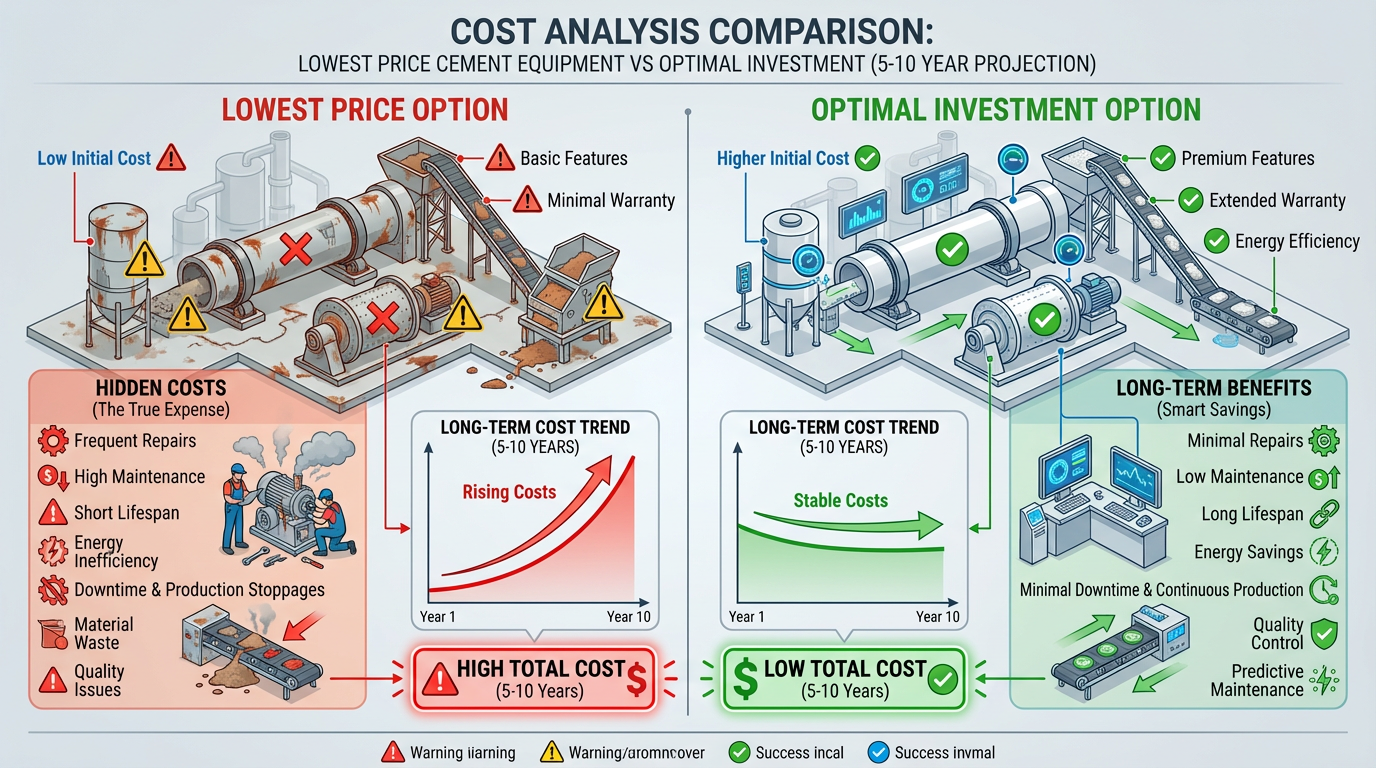
The lowest-priced equipment often creates the highest long-term cost.
Here is why.
⚠️ 1️⃣ Downtime Is More Expensive Than Equipment
When a ball mill liner fails early,
when a kiln tyre is misaligned,
when spare parts arrive late…
The real loss is not the part.
It is:
❌ Production stop
❌ Contract penalties
❌ Emergency logistics
❌ Extra labor cost
In many cases, 1 day of downtime = years of “saved” purchase cost.
⚙️ 2️⃣ Compatibility Matters More Than Brand
Many plants operate with mixed equipment:
Different suppliers
Different standards
Different installation years
If parts are not engineered for real operating conditions, problems appear quickly.
We always check:
✔️ Operating load
✔️ Material abrasiveness
✔️ Temperature profile
✔️ Existing system layout
Before recommending any solution.
📊 3️⃣ Life-Cycle Cost Is the Real KPI
Smart plants evaluate equipment by:
Service life
Maintenance frequency
Spare availability
Energy consumption
Not just invoice price.
This is how they reduce total cost by 15–25% over 3–5 years.
🌍 4️⃣ Local Support Is Part of the Product
Equipment without technical support is incomplete.
Remote diagnosis, installation guidance, and spare planning are now basic requirements.
Engineering support is not “extra service” —
it is part of system reliability.
🤝 How We Work at LVSSN
Our approach is simple:
🔹 Understand your process first
🔹 Analyze real operating data
🔹 Design compatible solutions
🔹 Support you after delivery
Because in heavy industry, long-term stability always wins.
If you are planning:
✔️ Equipment upgrade
✔️ Retrofit project
✔️ Spare optimization
✔️ Capacity expansion
Feel free to connect or message us.
Let’s reduce risk before it becomes cost.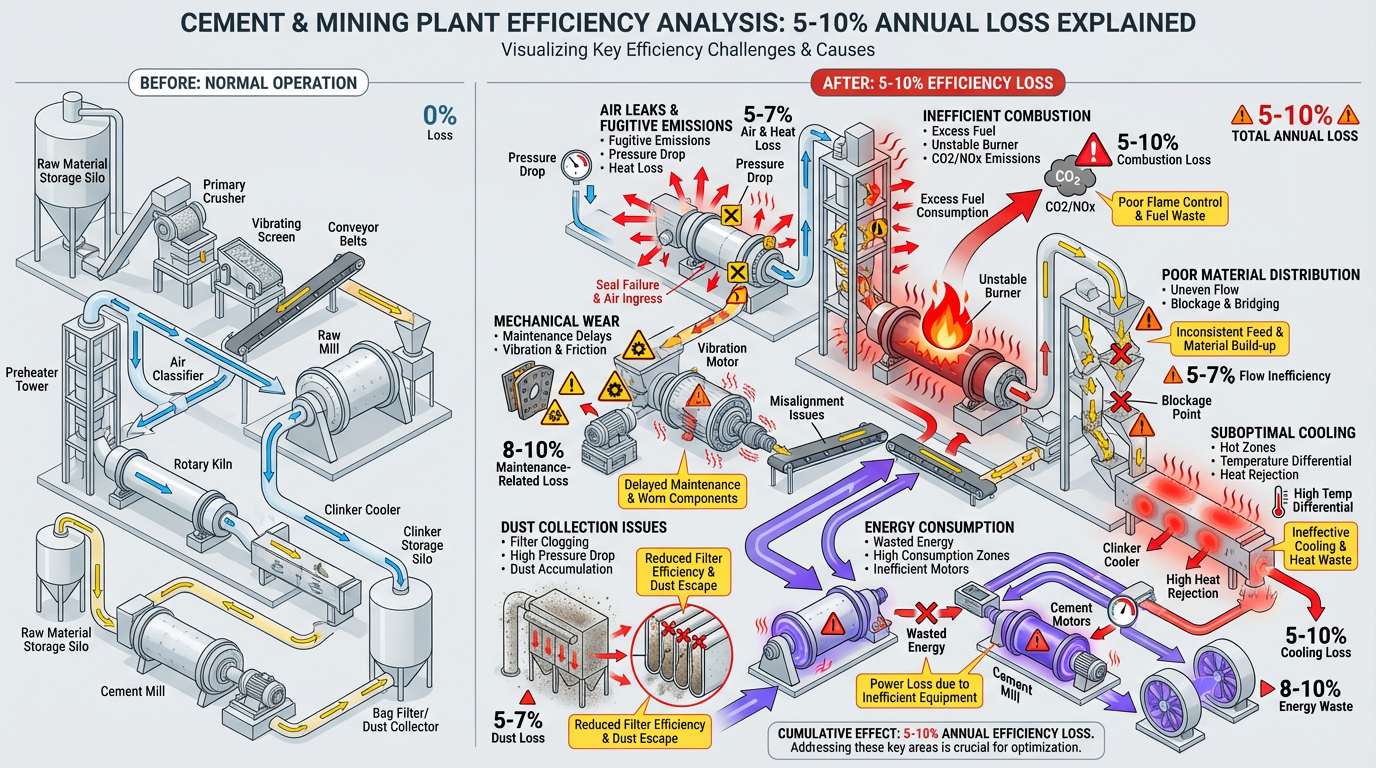
Previous
Next
View List
