In cement and mining operations, equipment reliability directly impacts production capacity, energy consumption, and overall profitability. While selecting high-quality machinery is important, long-term performance depends heavily on professional on-site maintenance and field engineering support.
Many production interruptions are not caused by equipment defects, but by delayed inspections, improper alignment, and insufficient preventive maintenance.
This is why structured on-site technical support has become essential for modern cement plants.

TR
On-Site Cement Plant Maintenance: Why Field Engineering Support Determines Long-Term Equipment Performance
2026-02-12 16:06:17
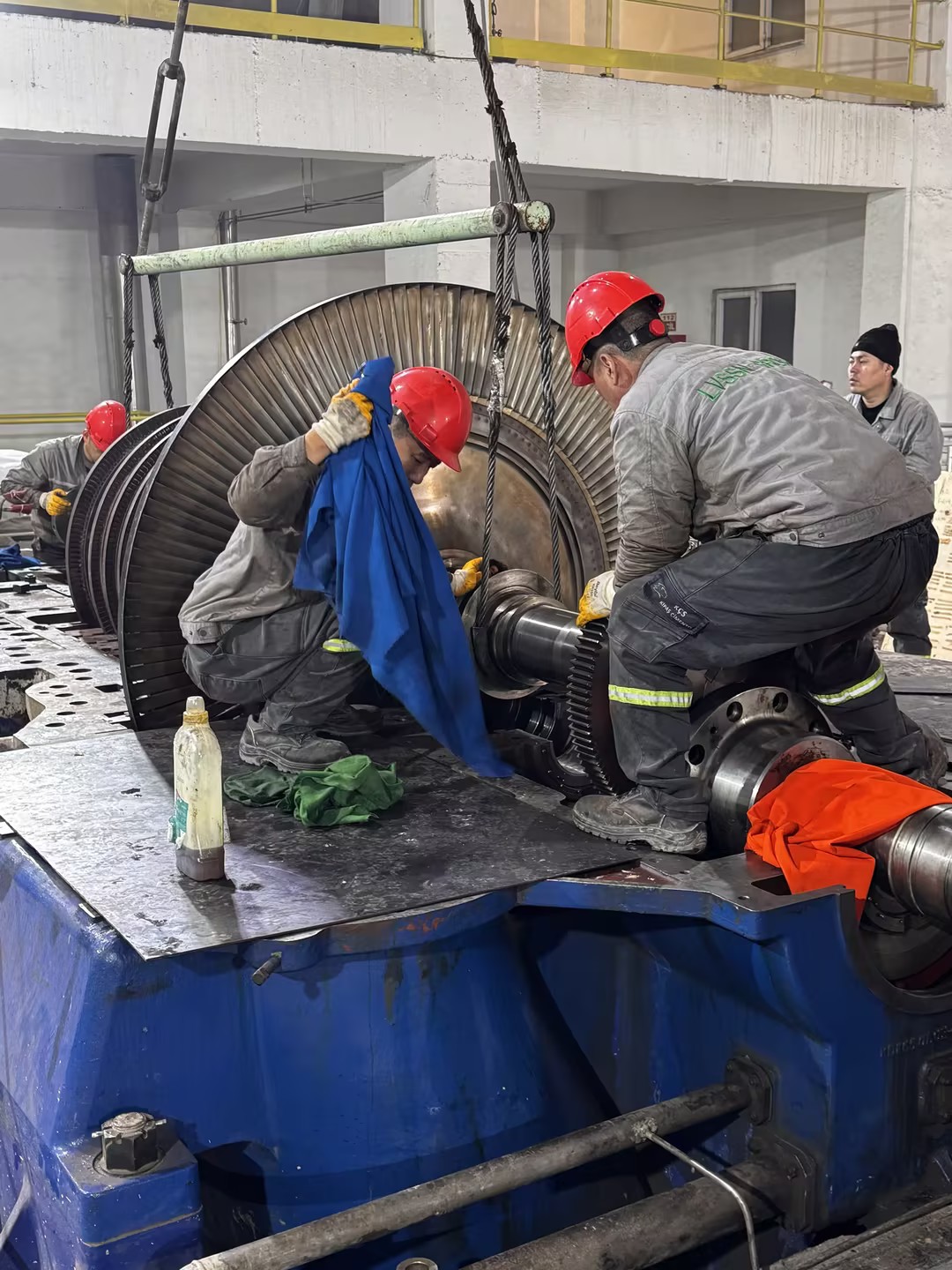
Why On-Site Maintenance Matters in Cement Plants
Large-scale equipment such as:
Ball mills
Vertical roller mills
Rotary kilns
Crushers and screening systems
operate under high load, high temperature, and continuous production cycles.
Even small deviations in alignment, vibration levels, lubrication systems, or liner wear can result in:
Increased power consumption
Reduced grinding efficiency
Unstable output fineness
Unexpected shutdowns
Higher long-term repair costs
On-site engineering teams can identify early-stage issues before they escalate into major failures.
Key Areas of Cement Plant Field Service
Professional industrial field service typically includes:
1. Mechanical Inspection Under Operating Conditions
Checking vibration levels, bearing temperature, gear mesh condition, and structural stability.
2. Alignment & Structural Assessment
Misalignment in rotary kilns or ball mills can lead to uneven wear and power inefficiency. Proper alignment ensures smoother operation and extended equipment life.
3. Wear Component Evaluation
Inspection of liners, grinding media, rollers, and crusher parts helps optimize performance and reduce replacement frequency.
4. Preventive Maintenance Optimization
Instead of reactive repairs, preventive strategies minimize downtime and maintain stable production output.
5. System Performance Review
Field engineers evaluate the entire process flow, not just individual equipment, to eliminate bottlenecks in crushing, grinding, and material handling systems.
Common Maintenance Challenges in Cement & Mining Plants
Many plants face recurring issues such as:
High specific energy consumption in ball mills
Abnormal vibration in vertical mills
Kiln misalignment affecting clinker quality
Frequent shutdowns due to poor maintenance planning
Without structured technical evaluation, these issues gradually reduce overall plant efficiency.
The Role of Engineering Partnership
At LVSSN Engineering, equipment supply is only one part of our service. We focus on:
Long-term plant performance
On-site troubleshooting
Grinding system optimization
Energy efficiency improvement
Equipment lifecycle extension
Field presence allows engineers to identify root causes rather than applying temporary solutions.
In heavy industries, operational continuity is critical. Every hour of downtime has measurable financial impact.
How On-Site Support Improves ROI
Professional field engineering can:
Increase throughput by 10–15%
Reduce specific energy consumption
Lower annual maintenance cost
Extend service life of core components
Improve system stability
Over time, these improvements generate significant return on investment compared to purely reactive maintenance models.
Conclusion
Modern cement and mining plants require more than machinery. They require reliable engineering support, preventive maintenance strategies, and technical expertise on-site.
If your plant is experiencing unstable performance, high energy consumption, or repeated mechanical issues, professional field service may be the key to long-term efficiency.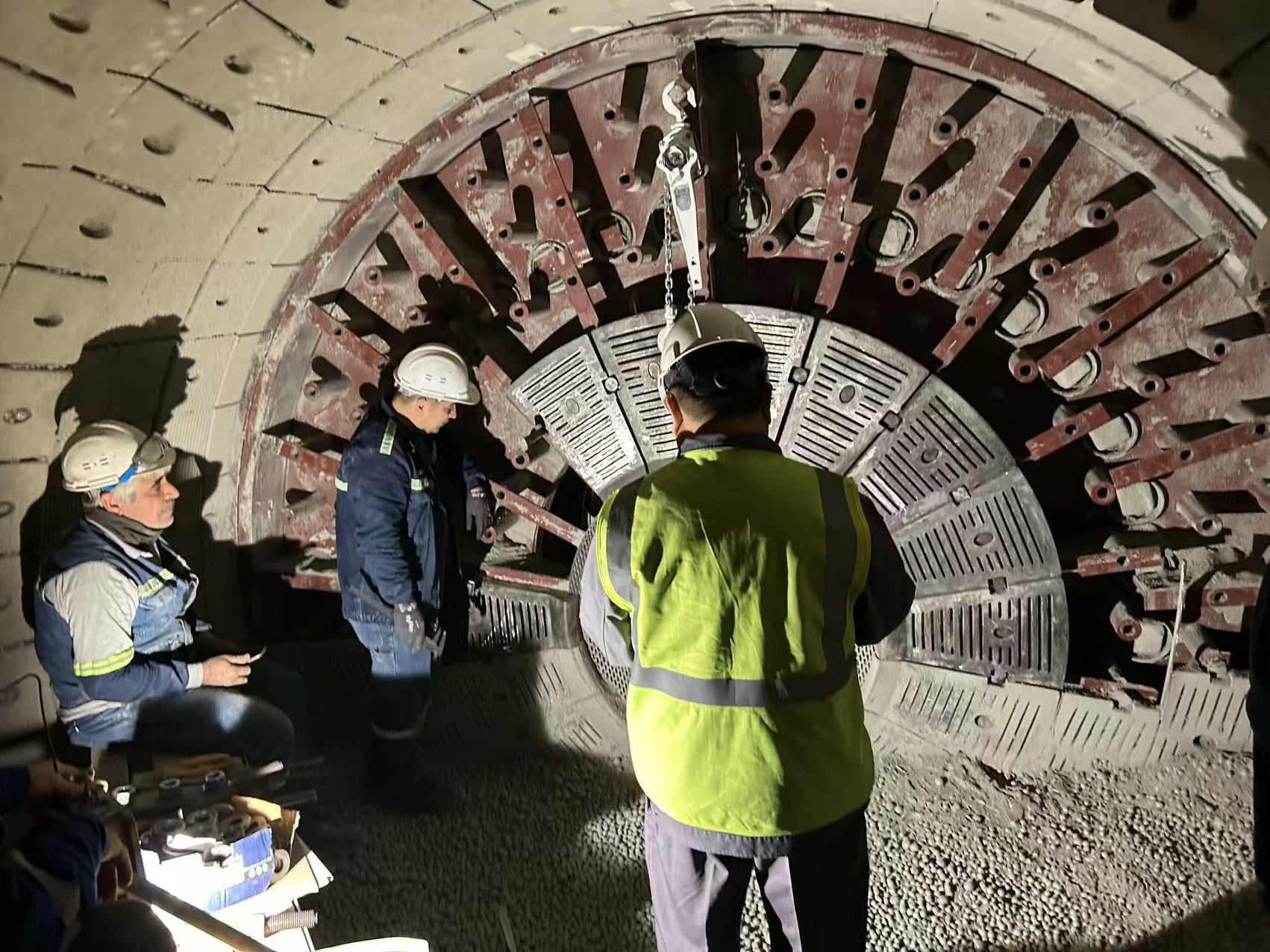
Önceki
Sonraki
Listeyi Görüntüle
