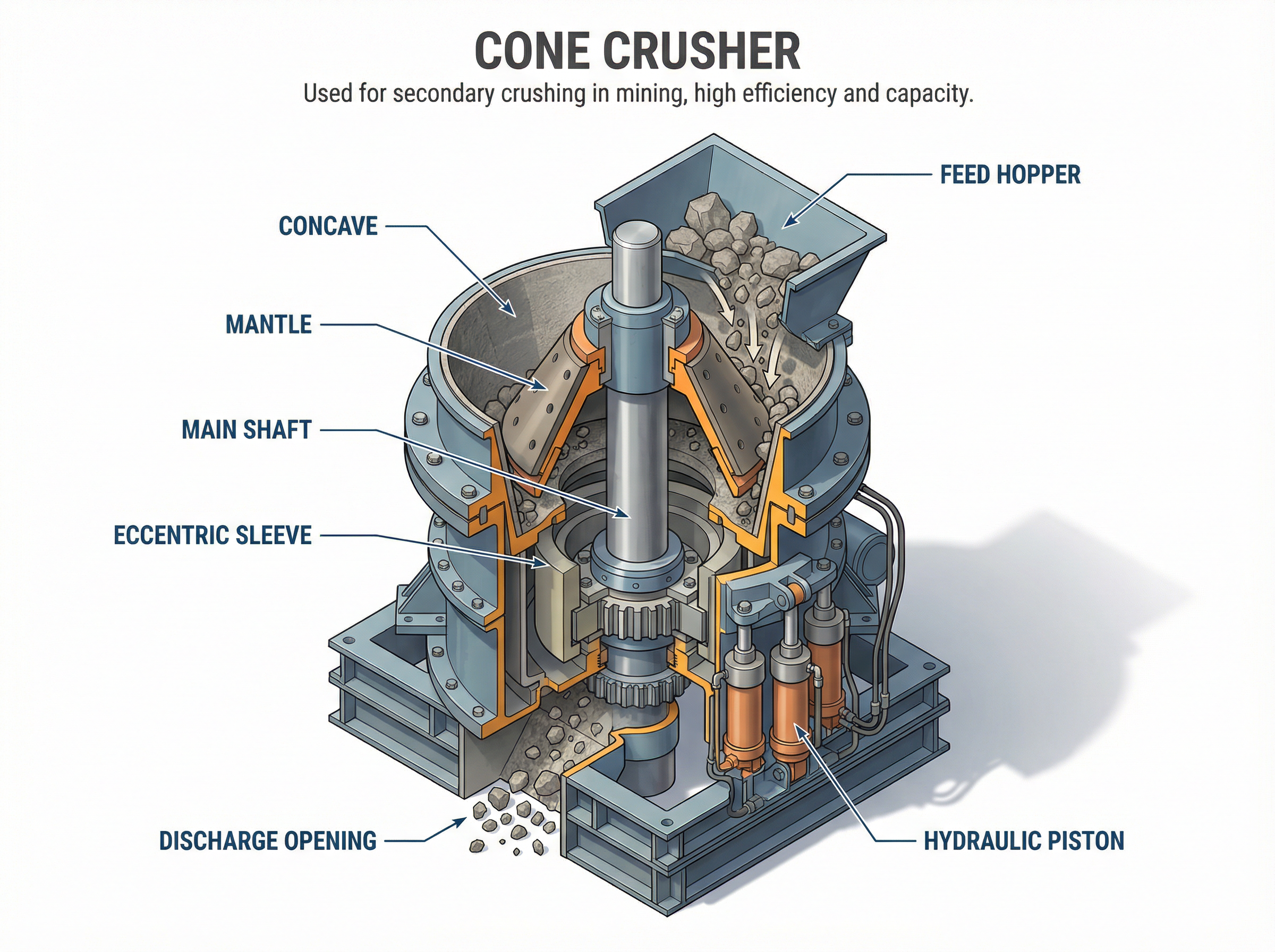
 Common Signs of Cone Crusher Efficiency Loss
Cone crusher performance degradation often occurs gradually, making it difficult to detect immediately. Typical warning signs include:
Reduced throughput compared to original design capacity
Increased liner wear frequency
Higher power consumption per ton of material
Inconsistent discharge size distribution
Reduced efficiency in downstream grinding systems
Increased circulating load in closed-circuit systems
These symptoms indicate that the crusher is no longer operating at optimal crushing conditions.
Root Causes of Cone Crusher Performance Decline
Based on real plant operation experience, cone crusher efficiency loss is rarely caused by a single failure. Instead, it is usually the result of operational and mechanical factors.
1. Improper Closed Side Setting (CSS)
Incorrect CSS adjustment can significantly affect crushing efficiency and product size. Over time, CSS may drift due to wear or lack of recalibration.
This leads to:
2. Uneven or Improper Feed Conditions
Cone crushers are designed to operate with consistent and evenly distributed feed.
Poor feed conditions, such as:
Segregated material
Oversized feed
Uneven feed distribution
can cause uneven wear and reduced crushing efficiency.
3. Internal Component Wear
Even under normal operation, internal components gradually wear, including:
Wear changes the internal crushing geometry, reducing efficiency and increasing energy consumption.
4. Operating Outside Design Parameters
Operating the crusher beyond its designed capacity or under improper load conditions can reduce performance and accelerate wear.
This often occurs when production demands increase without proper system optimization.
 Engineering Solutions to Restore Cone Crusher Efficiency
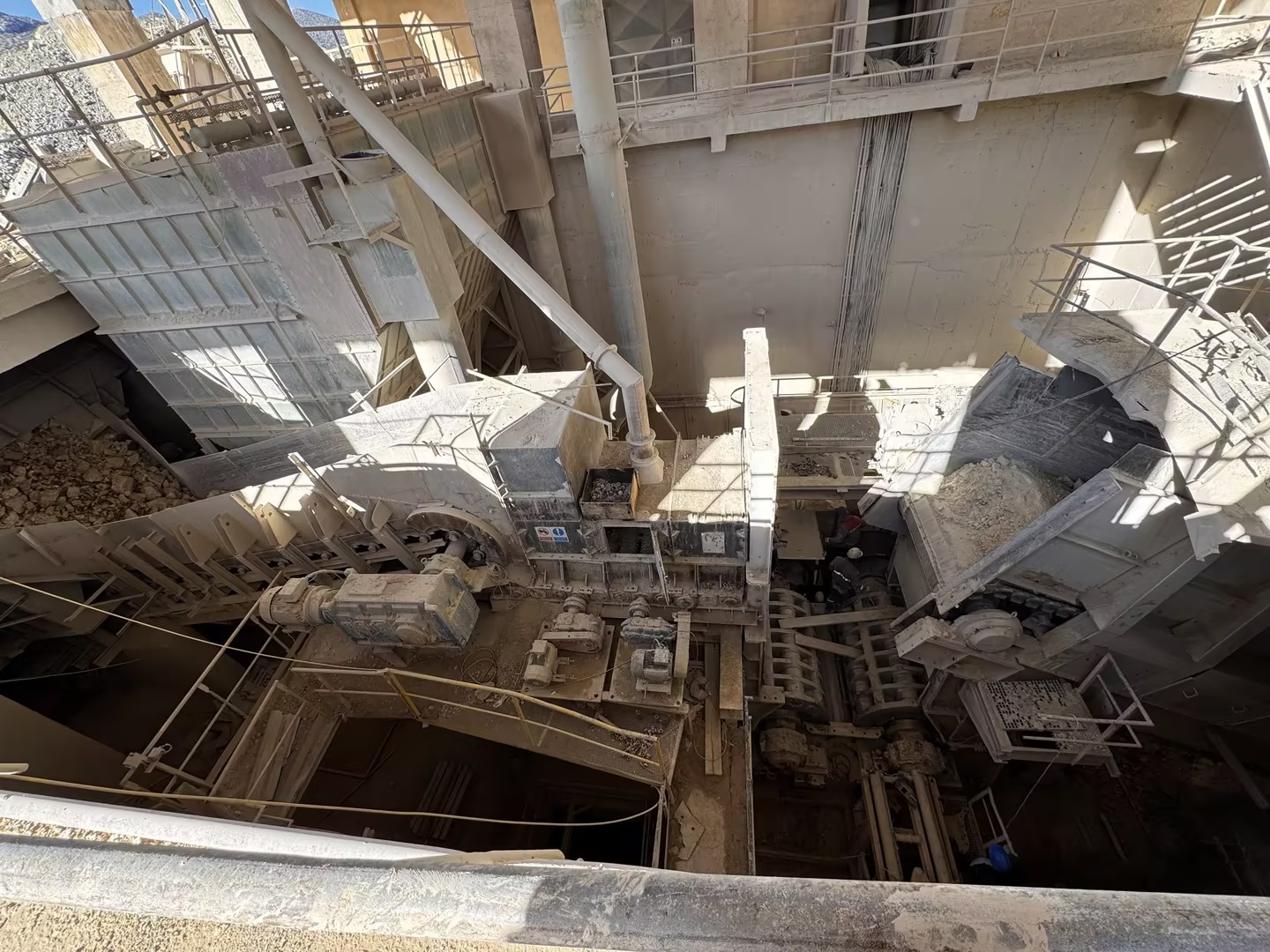
Improving cone crusher performance does not always require replacing the entire machine. In many cases, proper engineering assessment and technical adjustments can restore efficiency.
Effective solutions include:
Inspection and recalibration of closed side setting (CSS)
Feed system optimization to ensure proper material distribution
Internal component inspection and wear assessment
Adjustment of operating parameters to match design specifications
Preventive maintenance planning
These measures can significantly improve crushing efficiency and extend equipment service life.
Impact on Overall Plant Performance
Cone crusher efficiency directly affects the entire production line.
When crushing performance improves, plants can achieve:
Increased production capacity
Reduced wear part consumption
Improved downstream grinding efficiency
Lower energy consumption per ton
Improved production stability
In modern cement and mining operations, optimizing crushing performance is one of the most effective ways to improve plant efficiency without major capital investment.
Importance of Technical Assessment and Preventive Maintenance
Regular technical inspection and performance evaluation are essential to maintaining crusher efficiency.
Many performance issues can be identified early and corrected before they lead to major production losses.
Engineering-based maintenance and optimization help ensure long-term plant reliability and stable operation.
Conclusion
Cone crusher performance decline is a common but manageable issue in cement and mining plants. With proper inspection, engineering assessment, and technical optimization, crushing efficiency can be restored and production performance improved.
Understanding and addressing these issues early helps reduce operating costs, improve plant stability, and maximize equipment value.
About LVSSN Engineering
LVSSN Engineering provides crushing equipment, technical support, and engineering solutions for cement plants, mining operations, and aggregate production lines worldwide.
Our focus is helping clients improve equipment reliability, optimize plant performance, and support long-term production efficiency.

